Starting a home renovation, new build, or furnishing project can be exciting, but it can also become overwhelming quickly. Between floor plans, finishes, furniture, lighting, cabinetry, plumbing, construction details, budgets, and timelines, there are hundreds of decisions that shape the final result. One of the most common questions homeowners ask is: when should I hire an interior designer?
The simplest answer is: as early as possible.
Many people think of interior designers as the professionals who come in near the end of a project to select furniture, fabrics, paint colors, and accessories. While those details are certainly part of a beautifully finished home, full-service interior design often begins much earlier. In many residential projects, the interior designer is not simply an added layer at the end — we are often the primary design professional guiding how the home will function, feel, and come together.
At R Johnston Interiors, our work often begins with space planning. Sometimes that means taking an existing home and making thoughtful, minimal architectural changes that dramatically improve the way it lives. Sometimes it means reviewing a client’s existing floor plan and exploring what would truly resolve the challenges of the home. And in larger renovations, it may mean reimagining the interiors nearly from scratch, creating a new plan that supports daily life, entertaining, storage, flow, and the overall vision for the home.
Hiring an interior designer early gives your project the best opportunity to feel cohesive, personal, and beautifully considered from the beginning.
Hire an Interior Designer Before Finalizing Your Plans
If you are working with an architect, builder, or contractor, it is a great idea to bring an interior designer into the conversation before your plans are finalized. Architects, builders, and contractors can all be essential members of a project team, but each professional looks at the home through a different lens.
An interior designer thinks deeply about how the home will function on a daily basis. We consider how furniture will fit in a room, where lighting should be placed, how cabinetry will be used, where outlets are needed, how materials will transition, and how the overall design will feel once someone is actually living in the space.
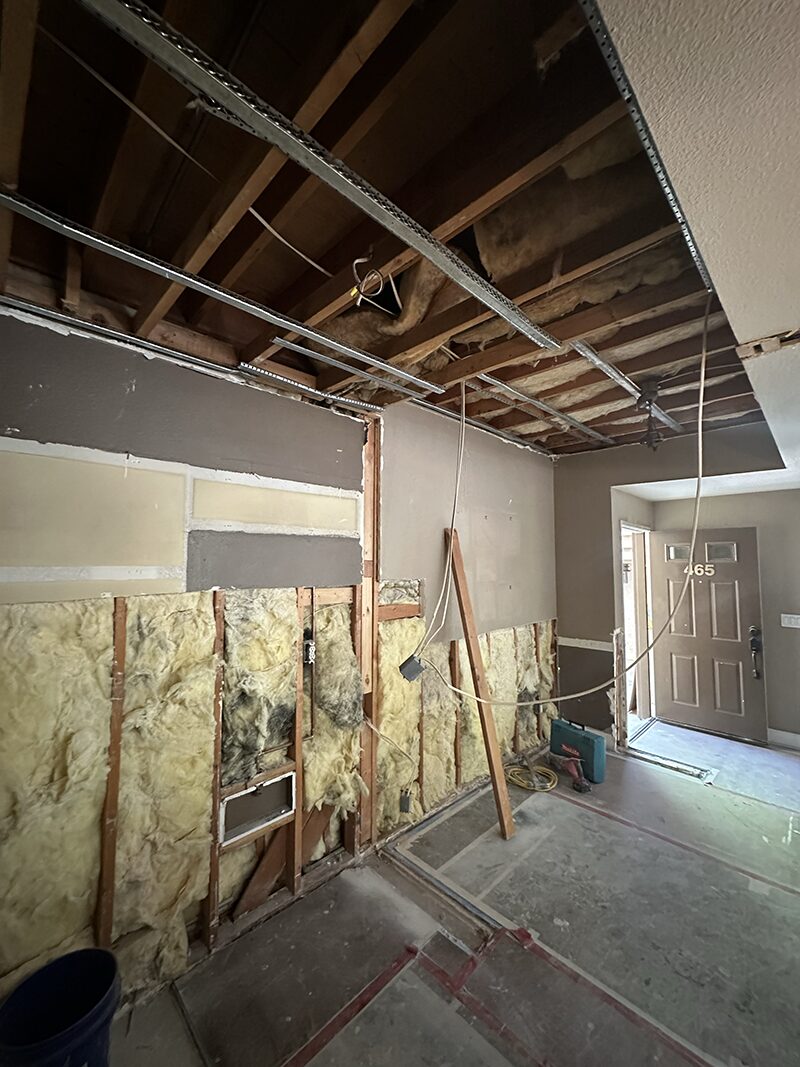
Sometimes small adjustments early in the process can make a major difference. A doorway shifted slightly, a window height reconsidered, a kitchen island resized, or a wall adjusted to better accommodate furniture can dramatically improve the way a space works. These are the types of details that are much easier to address before framing, plumbing, electrical, or cabinetry decisions are already underway.
When a designer is brought in early, the project has a better chance of feeling seamless from architecture to interiors.
Hire a Designer When You Need to Rethink the Way Your Home Functions
Not every project needs an architect. In many homes, the most important design work is happening inside the existing structure. A home may have the square footage it needs, but the layout, flow, storage, lighting, or room relationships may not be working well.
This is where an interior designer can be especially valuable.
We are trained to see the potential within existing space. That may mean opening a wall, relocating a doorway, reworking a kitchen layout, changing how rooms connect, improving circulation, or creating better storage. It may also mean recognizing when the architecture does not need to change dramatically at all, and that the right combination of space planning, cabinetry, finishes, lighting, and furnishings can completely transform the way a home feels.
For many clients, an interior designer is the design professional who can take their needs, frustrations, and goals and translate them into a plan that truly resolves the home. We look at how the rooms are used, how people move through the space, where the pain points are, and what design decisions will have the greatest impact.
Whether the project is a light renovation, a kitchen remodel, a bathroom renovation, a furnishing project, or a near-gut remodel, hiring an interior designer early helps ensure the home is being designed from the inside out.
Hire a Designer Before You Start Making Major Selections
Many homeowners begin a project by looking at tile, flooring, countertops, cabinetry, plumbing fixtures, or lighting. This can be a fun part of the process, but it can also become confusing without a clear design direction.
A beautiful home is not created by selecting individual items in isolation. Each choice should relate to the others. The flooring affects the cabinetry. The cabinetry affects the countertops. The countertops affect the backsplash. The lighting affects the mood of the room. The furnishings affect the scale, layout, and overall feeling of the space.
An interior designer helps establish a cohesive vision before selections are made. This allows the home to feel intentional rather than pieced together over time. It also helps avoid costly mistakes, such as ordering materials that do not work together, selecting fixtures that are the wrong scale, or committing to finishes that do not support the overall design.
If you are about to make major purchases or construction selections, that is a strong sign it is time to hire a designer.
Hire a Designer If Your Project Involves Construction
Construction projects involve many layers of decision-making. Kitchens, bathrooms, additions, whole-home renovations, and new builds all require careful coordination between design, function, and construction.
A full-service interior designer can help with space planning, material selections, cabinetry design, lighting plans, plumbing specifications, appliance selections, hardware, tile layouts, and other details that directly affect the construction process. These decisions often need to be made earlier than homeowners expect.
For example, a contractor will need to know where sconces will be placed before the walls are closed. A cabinet maker will need appliance specifications before shop drawings can be completed. A tile installer will need layout drawings before installation begins. A plumber will need fixture information before rough-in. And frankly, all of these decisions are needed before your contractor can give you a real estimate for the job.
When these details are not addressed early, projects can slow down, change orders can happen, and the finished design may not feel as refined. A designer helps anticipate these decisions and coordinate the details so the project moves forward with greater clarity.
This does not mean every project requires the same team. Some projects may only need an interior designer and contractor. Others may benefit from an architect, engineer, builder, or other specialist. The important thing is bringing the right professionals together early, so the design vision, technical requirements, and construction realities are aligned from the start.
Hire a Designer If You Are Already Working With an Architect or Builder
If you already have an architect, builder, or contractor involved, it is still important to bring an interior designer in early. The earlier we are part of the conversation, the more effectively we can help shape the details that impact how the home will actually live.
Architectural plans may define the structure of the home, but interior design helps resolve the spaces within it. We review room layouts, furniture placement, cabinetry, lighting, material transitions, finish selections, and the details that make the home feel complete. We help bridge the gap between the larger architectural concept and the lived experience of the finished interior.
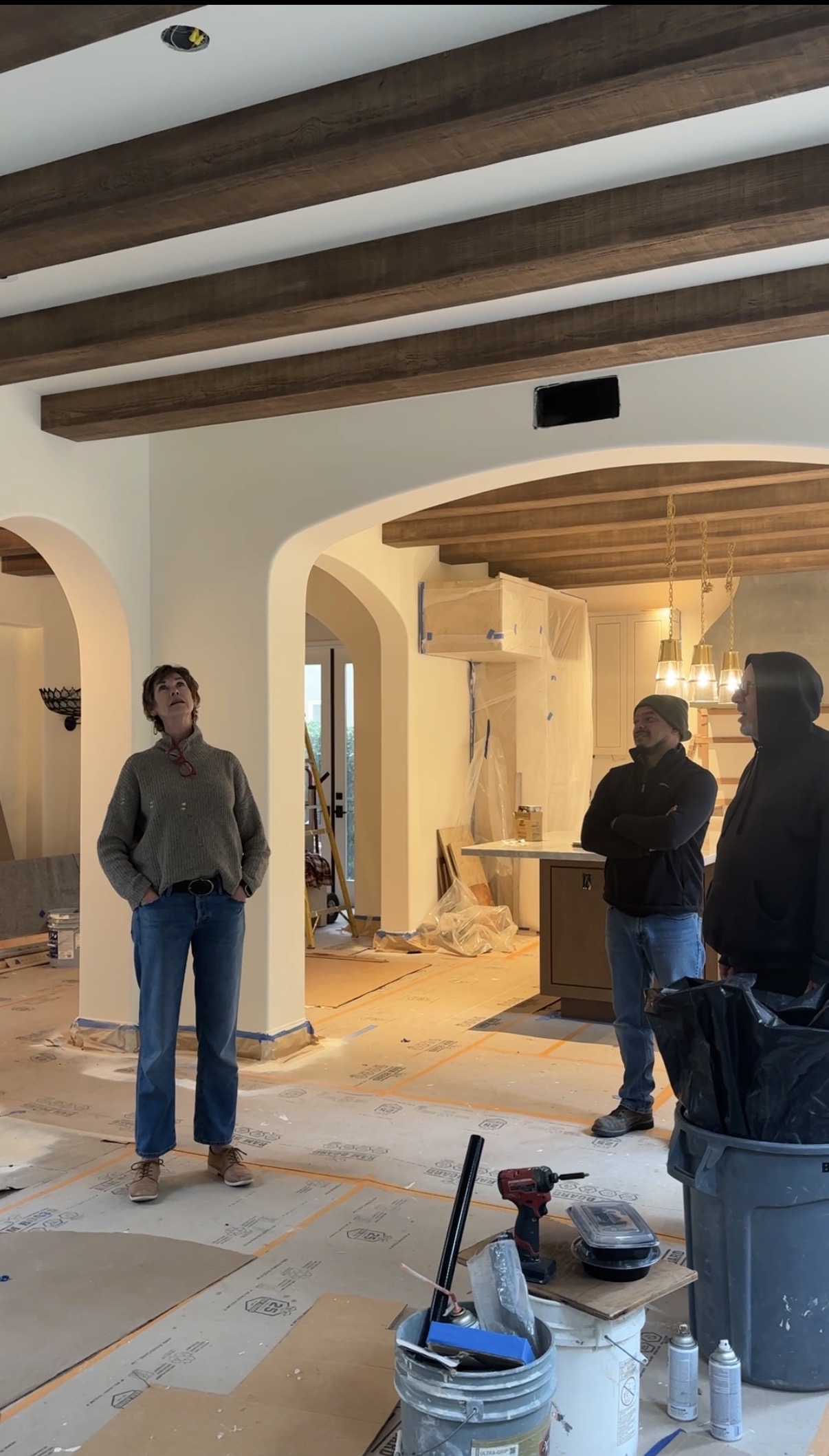
When we collaborate with architects, builders, and contractors early in the process, we can help identify opportunities, clarify decisions, and prevent details from being addressed too late. This often leads to a smoother process and a more thoughtful final result.
Hire a Designer If You Want a Home That Feels Personal
A well-designed home should be more than beautiful. It should feel personal, functional, and connected to the way you live.
Interior designers often ask very detailed questions. How do you cook? How do you entertain? Do you prefer open storage or hidden storage? Where do you drop your keys when you walk in? Do you read in bed? Do you need a place for dogs, kids, luggage, sports equipment, or family heirlooms? What pieces do you already own that matter to you? What spaces in your current home are not working?
These questions may seem small, but they have a significant impact on the final design. The answers influence layouts, cabinetry, furniture, lighting, finishes, and even construction details.
In many projects, the interior designer becomes one of the most personal members of the team because we are focused on how the home will actually support your daily life. This is especially important in a major renovation or new build, where the goal is not simply to create a beautiful space, but to create a home that feels truly customized.
Hire a Designer If You Are Feeling Overwhelmed
Home projects can become overwhelming because there are so many decisions to make. Even clients with a strong sense of style can find it difficult to narrow down options, understand quality differences, coordinate materials, or know when decisions need to be made.
An interior designer helps simplify the process. Instead of asking you to sort through endless possibilities, we curate options based on your goals, budget, lifestyle, and the overall design direction. This helps make decisions more manageable and keeps the project moving forward.
A designer also helps you understand the order of decisions. Some choices can wait, while others need to happen early. Knowing the difference is a key part of keeping a project organized.
If you are already feeling unsure about where to begin, hiring a designer at the start can help bring clarity and structure to the process.
Hire a Designer Before Ordering Furniture
Even if your project does not involve construction, hiring an interior designer can be incredibly valuable for furnishing projects. Furniture requires careful planning around scale, proportion, comfort, durability, layout, and function.
A common mistake homeowners make is purchasing individual pieces they love without considering the room as a whole. A sofa may be beautiful but too large for the space. A rug may be too small. A dining table may not allow enough clearance. A light fixture may not be the right scale. A room may look finished in pieces but still feel disconnected.
A designer creates a complete plan before items are purchased. This can include furniture layouts, upholstery selections, rugs, lighting, window treatments, art, accessories, and styling. The result is a space that feels layered, cohesive, and thoughtfully considered.
For high-end furnishings, this planning is especially important because custom pieces, specialty vendors, and longer lead times require careful coordination.
Hire a Designer If You Want to Avoid Costly Mistakes
One of the biggest benefits of hiring an interior designer is avoiding decisions that may become expensive to fix later.
Mistakes in scale, layout, material selection, lighting placement, cabinetry, or construction details can add up quickly. Sometimes the issue is not that something is “wrong,” but that it could have been better if considered earlier. A room may technically function, but not as well as it could. A finish may be beautiful, but not ideal for the way the space is used. A lighting plan may provide general light, but not the right mood or task lighting.
Interior designers are trained to see both the big picture and the small details. We think about how all of the pieces come together and how decisions made today will affect the finished home months, years, and decades from now.
Hiring a designer is an investment, but it can also help protect the larger investment you are making in your home.
So, When Is the Best Time to Hire an Interior Designer?
The best time to hire an interior designer is before major decisions are made.
If you are considering a renovation, new construction home, kitchen remodel, bathroom remodel, furnishing project, or full-home design, it is never too early to begin the conversation. The earlier a designer is involved, the more opportunity there is to shape the project thoughtfully from the beginning.
At R Johnston Interiors, we help clients at many stages of design. We may be the primary design professional guiding the vision, layout, selections, and details of an interior renovation, or we may collaborate with an architect, builder, contractor, or other specialist to ensure the home is fully resolved from the inside out.
We begin every project with an initial conversation to learn more about your home, goals, timeline, budget, and overall scope. From there, we can help determine whether full-service design is the right fit, what level of support your project needs, and how we can best guide the process.
A well-designed home does not happen by accident. It is the result of thoughtful planning, clear communication, creative vision, and careful attention to detail. Bringing an interior designer into the process early helps ensure that your home is not only beautiful, but functional, personal, and designed to support the way you truly live.


10 Comments