If you are planning a renovation, one of the first questions you may ask is: do I call an interior designer or a contractor first?
Unless you already have a trusted relationship with a contractor, or you are calling someone for non-design related repairs, we generally recommend starting with an interior designer.
The reason is simple: how can a contractor accurately bid a project if there is no design in place?
All too often, clients call us and say, “We already got a bid from a contractor to do the kitchen.” Our next question is always, “What was the bid based on?” Sometimes there are drawings, selections, and a clear scope. But many times, the answer is less clear. The bid may be based on a general conversation, a rough assumption, or something similar to the last kitchen that contractor completed.
That does not give the homeowner a true understanding of what their project will cost.
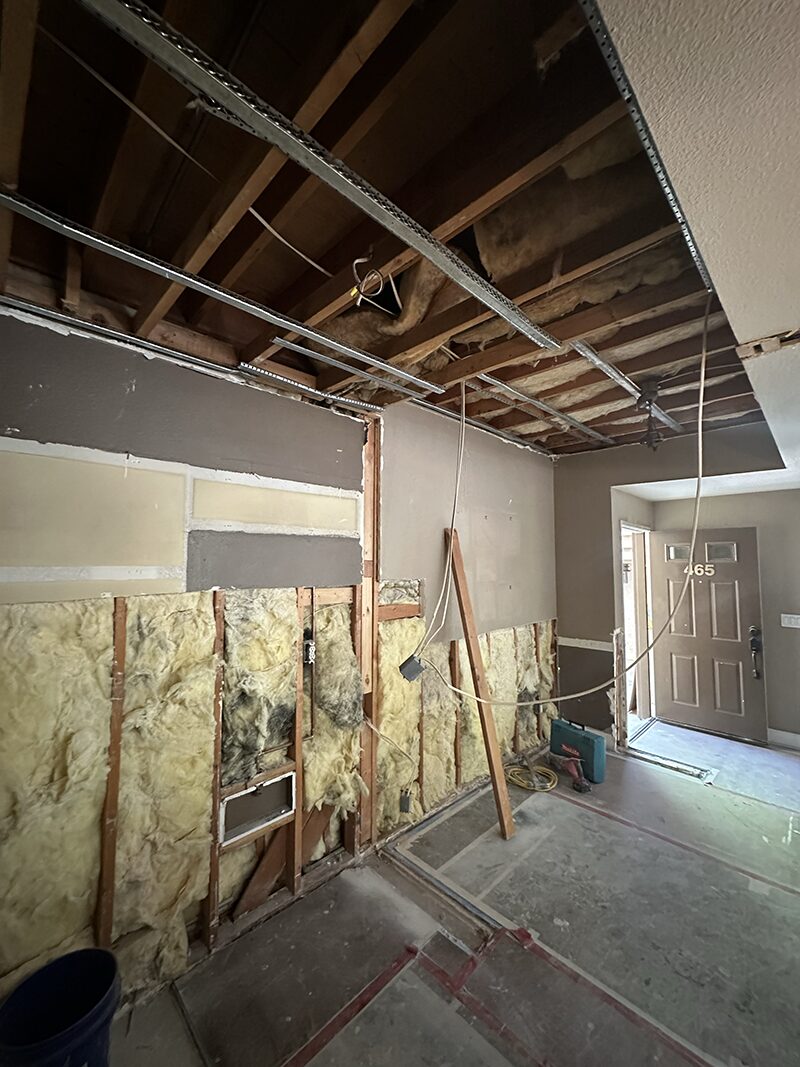
This is where renovation budgets start to go sideways. When people joke with friends at a dinner party about their kitchen renovation costing twice as much as they were originally told and taking three times longer than expected, it is often because there was no complete plan in place before demolition began. Once the kitchen is torn out and the homeowner is living without a functional space, every unanswered question becomes urgent.
It is not that contractors are trying to trick you into a more expensive project. Good contractors are incredibly valuable, and they are experts at executing construction. But they are typically not hired to create the full design vision, develop the layout, select every finish, coordinate cabinetry details, plan lighting, source fixtures, or think through how the space should function for your daily life.
That is the role of the interior designer.
A designer helps define the scope before a contractor is asked to price the work. We look at the layout, cabinetry, appliances, plumbing, lighting, finishes, storage, furniture flow, and the way you actually use the space. We help determine what is changing, what is staying, what materials are being used, and what level of quality and customization is expected.
Once those decisions are made, a contractor has something real to bid from.
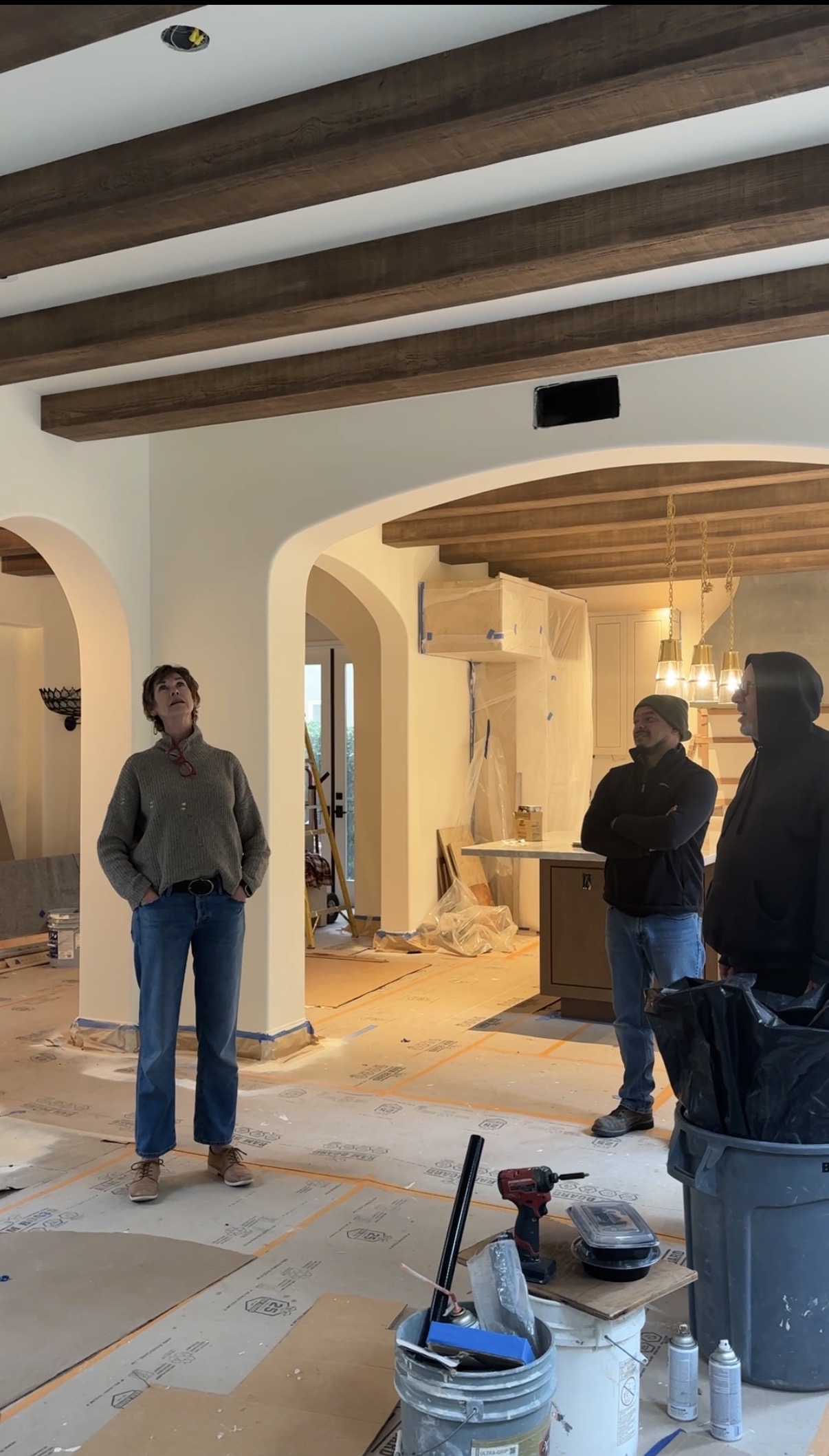
This does not mean a contractor should be left out of the process. In fact, the best renovation teams are collaborative. A designer can help develop the plan, while a contractor can provide input on feasibility, construction methods, budget implications, and schedule. When both professionals are brought in at the right time, the project is much more likely to move forward with clarity.
Starting with a designer helps you avoid vague bids, rushed selections, costly changes, and unclear expectations. It allows the project to begin with a thoughtful plan instead of a list of assumptions.
Before you tear out a kitchen, bathroom, or any major space in your home, start by asking what the design should be. Once that is clear, the construction conversation becomes far more productive.


10 Comments