One of the greatest values an interior designer brings to a renovation is the ability to see opportunity in a space before decisions become permanent.
When you have lived in a home for years, sometimes decades, the way the home currently functions becomes deeply tied to how you move through it every day. You know where the coffee maker lives. You know which drawer sticks. You know the kitchen is too tight, the bathroom storage is lacking, or the living room never quite works. But because the home has existed that way for so long, it can be difficult to imagine it any other way.
That is where a designer’s perspective becomes incredibly valuable.
We have not been living in your home for 20 years. We are not attached to the way the space has always been. We can walk in and see possibilities: a doorway that could move, a window that could become larger, a kitchen that could be reoriented, a bathroom that could function entirely differently, or a small space that has more potential than it appears to have at first glance.
Many homeowners begin a renovation by calling a contractor first. A contractor may come in, look at the existing kitchen or bathroom, and price a replacement based on what is already there. New cabinets where the old cabinets were. New tile where the old tile was. New fixtures in the same locations. There is nothing wrong with that if your goal is a true like-for-like update, but that approach does not always explore what the space could become.
One of the biggest renovation mistakes we see is starting construction before the design possibilities have been fully studied.
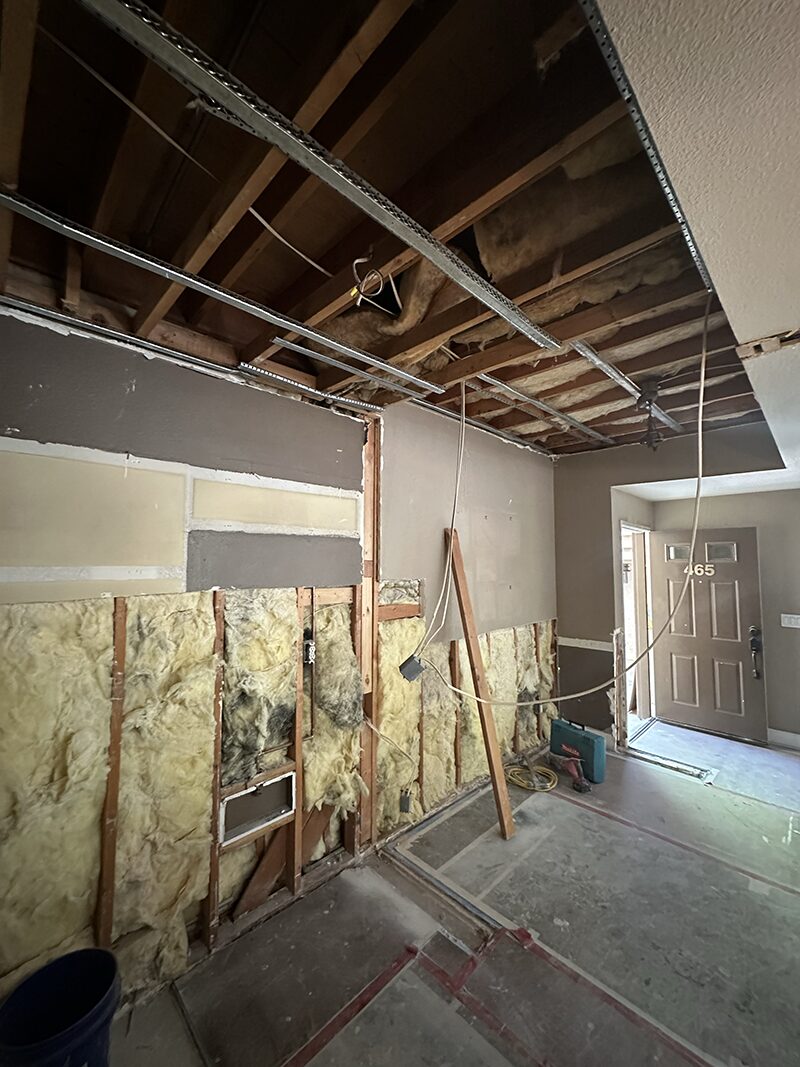
For example, we have seen projects where demolition has already started, windows have already been ordered, and the homeowners know they want a more beautiful kitchen. But once a designer is brought in and we begin looking closely at the layout, the lifestyle, and the way the family wants to use the space, it becomes clear that the window should have been moved, enlarged, or replaced with a slider to the backyard where they love to entertain.
At that point, the client has a difficult decision to make. Do they take the financial hit and change the window order? Or do they move forward knowing there was a better possibility? Bringing a designer in at the beginning of the planning phase is how you avoid those kinds of costly and frustrating decisions.
Another common mistake is selecting individual pieces too early because a contractor needs answers to keep the project moving. Appliances, plumbing fixtures, tile, lighting, and hardware all affect the design, but they should not be selected in isolation.
You may see a farmhouse sink in a showroom and love it. But once we begin developing the kitchen plan, talking through style, storage, function, cabinetry, and how you actually use the room, that farmhouse sink may no longer be the right choice. Maybe the sink location changes. Maybe the cabinet style becomes more tailored. Maybe the overall design calls for something cleaner and more integrated. Now the sink has already been purchased, and the decision becomes whether to force it into the plan or absorb the cost of changing direction.
These are the moments we try to prevent.
A renovation is made up of hundreds of connected decisions. The layout affects the windows. The windows affect the cabinetry. The cabinetry affects the appliances. The appliances affect the electrical and plumbing. The lighting affects the mood and function of the space. The hardware, tile, stone, and fixtures all need to work together to create one cohesive vision.
When selections are made one at a time without a full design plan, the result can feel disconnected, even if every individual item is beautiful.
Other common mistakes include approving electrical locations before furniture has been planned, selecting tile before knowing the full palette, ordering vanities before plumbing has been reviewed, choosing lighting that is the wrong scale, or committing to cabinetry before storage needs have been fully discussed. These are not small details. They shape how the home functions and feels every day.
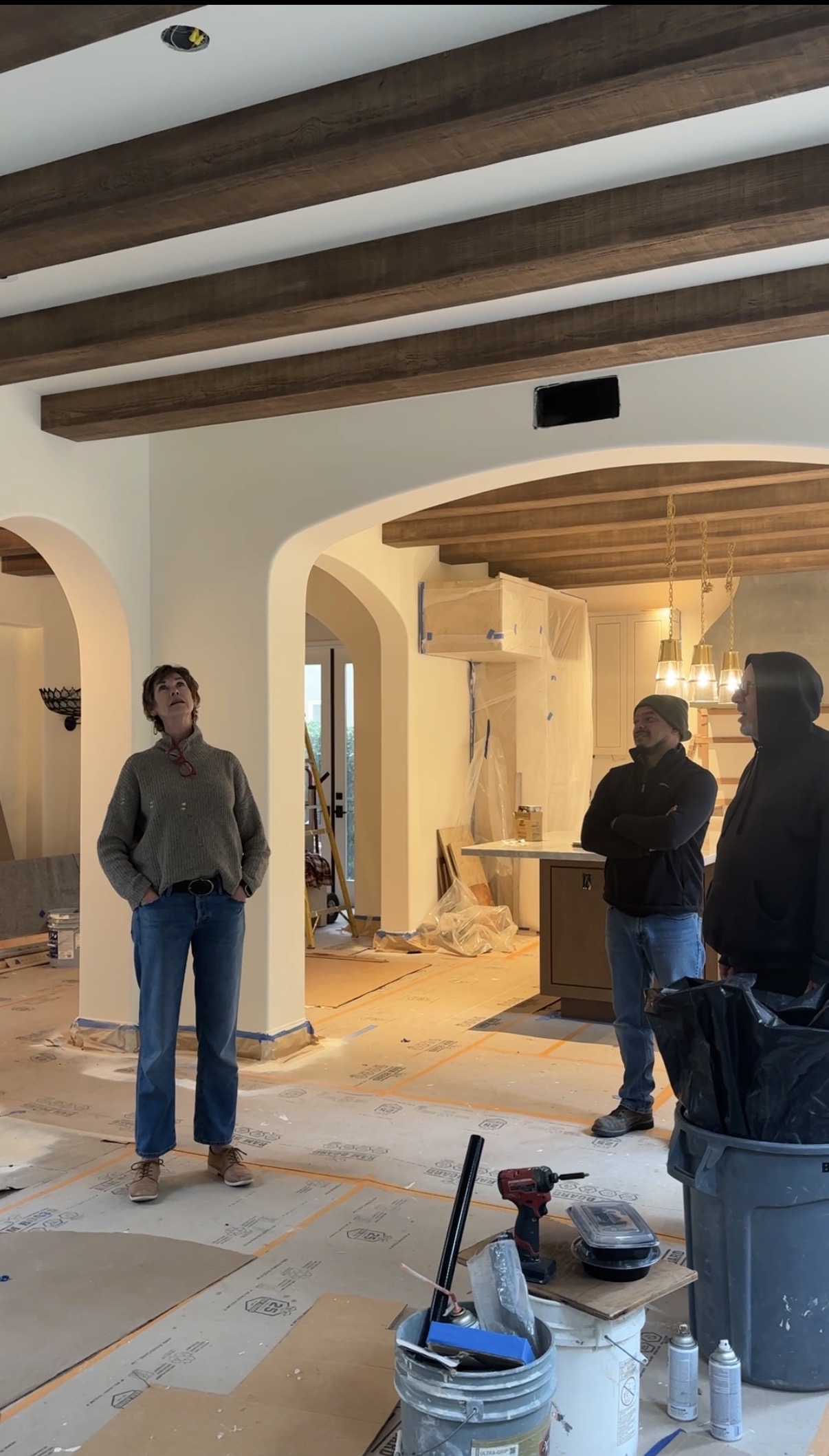
The best time to hire an interior designer is before major decisions are made. Ideally, a designer is involved during the planning phase, before construction begins, before windows and fixtures are ordered, and before the contractor needs urgent answers.
At R Johnston Interiors, our role is not just to make a renovation beautiful. It is to help you see what is possible, make thoughtful decisions in the right order, and create a home that functions as beautifully as it looks. When design is considered early, the entire renovation has a better chance of feeling cohesive, intentional, and truly customized to the way you live.


10 Comments